
The signs can be quiet. A pillow damp from an open mouth. A morning that begins with tired eyes, even after hours in bed. These details may seem unrelated, but together they can suggest that your child is working harder to breathe while sleeping. An airway evaluation at Legacy Dentistry of Virginia can help you understand what’s happening and what your child may need next.

Give Your Child Room to Breathe
Airway Dentistry in Chantilly, VA
What is Airway Dentistry?
Airway dentistry examines how your child’s teeth, jaws, tongue position, and oral development may influence their breathing. During an evaluation with our qualified doctors in Chantilly, we look for structural concerns, such as a narrow upper jaw or limited tongue space. When these concerns are identified early, dental care may help guide healthier growth and create more room for comfortable breathing.
Notice the Subtle Signals of a Restricted Airway
Children with restricted airflow may show signs during sleep and throughout the day. Regular snoring, mouth breathing, restless sleep, and crowded teeth can all warrant an airway evaluation with our doctors. These signs don’t confirm an airway restriction, but they give our dentists at Legacy Dentistry of Virginia valuable reasons to examine jaw growth and oral development.
Watch for patterns such as:
- Sleep Struggles: Snoring, grinding teeth, sleeping with an open mouth, or experiencing nightmares and bedwetting.
- Daily Habits: Mouth breathing during the day, chapped lips, or recurring ear infections.
- Medical History: Prior diagnosis of enlarged adenoids or tonsils.
- Focus at School: Feeling restless or having trouble concentrating at school due to poor sleep quality.
- Physical Markers: Crowded teeth or a small, recessed chin.
Recognizing these patterns between the ages of six and nine allows for gentle guidance while the jaw is still flexible. This proactive approach addresses the source of the struggle, helping your child find relief before these habits impact their confidence.
A Gentle Plan for Your Family

Your child’s airway treatment follows a clear process shaped around their growth and individual needs. From the first digital scan to regular progress checks, our clinical team explains each stage and helps your family understand how palatal expansion may support healthier development.
Step 1: See Their Development
An iTero scanner creates a precise three dimensional model of your child’s teeth and upper arch without messy impressions. This helps Dr. Babington and his team assess available space and plan treatment accurately.
Step 2: Choose the Appliance
Depending on your child’s needs, Dr. Babington may recommend an Invisalign Palatal Expander or a fixed appliance. The selected option will suit their development and daily routine.
Step 3: Guide Their Growth
The appliance gradually widens the upper jaw, creating more room for the tongue and emerging adult teeth. Progress occurs at a controlled pace.
Step 4: Monitor Their Progress
Our doctors check your child’s development regularly and make adjustments when needed. Each visit keeps treatment moving safely and steadily.
Training That Looks Deeper
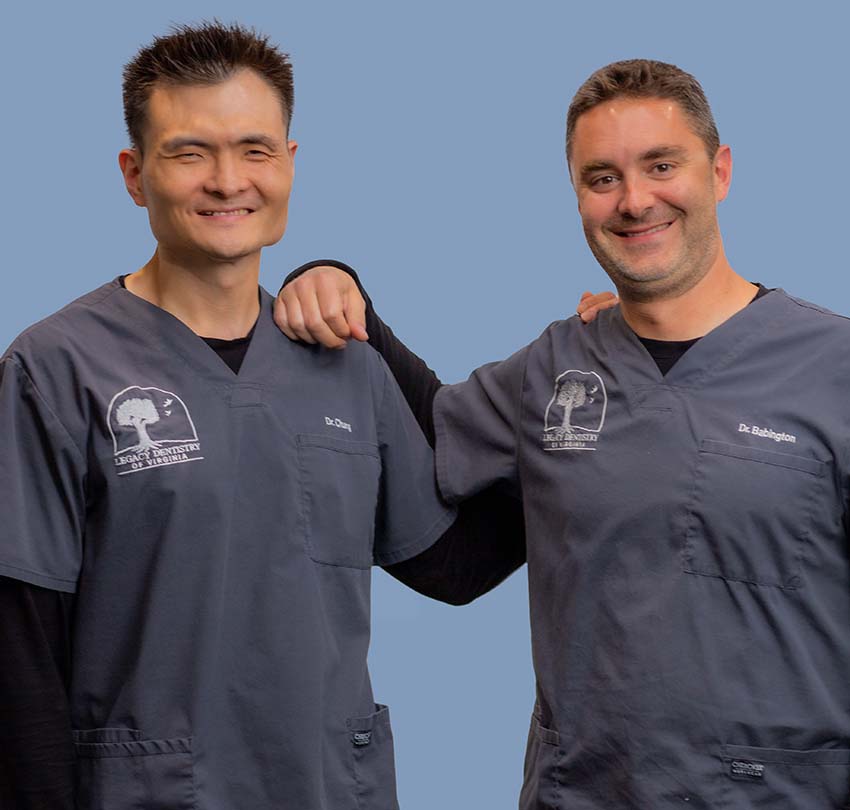
Dr. David Babington continues to study the connection between dental development, oral function, sleep, and breathing. As a member of the Airway Academy and ASAP Pathway, he has completed advanced education in pediatric airway care, tongue restrictions, palatal expansion, and treatment planning.
His training includes the Global MARPE Symposium and courses taught by respected educators such as Dr. Richard Baxter and Dr. Ilya Lipkin. He has also studied how MARPE and Invisalign can work together when planning suitable expansion cases. This ongoing education helps him examine your child’s development carefully and recommend care grounded in their individual needs.
Secure a Future of Vitality For Your Child
Choosing an early airway evaluation in Chantilly can help you understand whether your child’s oral development is making breathing more difficult. With clear answers today, you can take the right steps to support healthier growth. Your child’s future may hold quieter nights, deeper sleep, and mornings filled with more energy.




Common Questions About Airway Dentistry
Yes. Airway dentistry examines how oral development and jaw structure may relate to breathing. Our doctors in Chantilly screen for dental factors such as a narrow upper jaw or limited tongue space. Dentists don’t diagnose sleep apnea, so we may refer your child to an appropriate medical provider if their symptoms require further evaluation.
Coverage depends on your insurance plan and the treatment recommended for your child. Our team at Legacy Dentistry of Virginia works with PPO plans and can review your available benefits before care begins. You will receive a clear cost estimate along with information about our other financing options.
Families seeking airway dentistry in Virginia can visit Legacy Dentistry of Virginia at 14325 Willard Road, Suite 203, in Chantilly. Dr. David Babington and our qualified doctors evaluate childhood jaw development and provide palatal expansion when appropriate. Call our Chantilly office to arrange an airway evaluation.
Yes, but pediatric airway dentistry is an approach to care rather than a formally recognized dental specialty. Dentists can screen for oral signs connected to breathing concerns and treat certain developmental issues within their training. Suspected sleep disorders should be diagnosed and managed with an appropriate medical provider.
The cost depends on the examination, necessary imaging, and whether your child needs monitoring or an appliance. A consultation at Legacy Dentistry of Virginia provides the information needed for an accurate estimate. Our team in Chantilly will review treatment costs, available insurance benefits, and suitable payment options before care begins.